
Creating a beautiful home doesn’t have to mean spending a huge amount of money. With thoughtful planning, creativity, and a willingness to reuse what you already have, you can transform an ordinary room into a comfortable and attractive space.
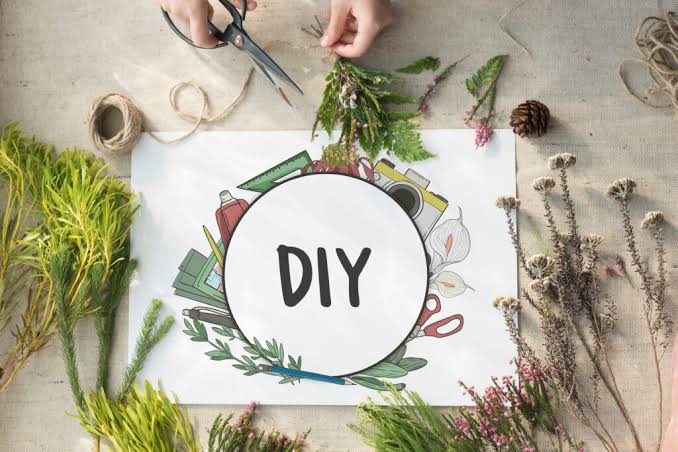
Budget home decor is increasingly about making smart choices rather than simply buying inexpensive products. Instead of replacing every piece of furniture or filling your room with trendy accessories, you can focus on small changes that create a noticeable difference.
From repurposing old furniture to creating your own wall art, there are countless ways to improve your home without exceeding your budget. The key is understanding where your money will have the biggest visual impact.
This guide explores practical budget home decor ideas, simple DIY projects, organization techniques, and sustainable decorating strategies that can work in bedrooms, living rooms, study spaces, apartments, and small homes.
What Is Budget Home Decor?
Budget home decor means decorating or improving your living space while being intentional about how much you spend.
It doesn’t necessarily mean buying the cheapest products available. In fact, choosing the cheapest option can sometimes cost more over time if it breaks quickly or needs frequent replacement.
A better approach is to:

- Reuse items you already own
- Repair furniture instead of immediately replacing it
- Buy second-hand when appropriate
- Create DIY decorations
- Prioritize functional improvements
- Shop with a specific plan
- Avoid unnecessary purchases
- Choose versatile furniture and accessories
The U.S. Environmental Protection Agency recommends considering whether you actually need something, whether you already own something that can perform the same function, and whether an item can be borrowed, reused, repaired, or purchased used. (US EPA)
This philosophy fits perfectly with budget home decor.
Why Budget Home Decor Is Better Than Constantly Buying New Things
Decorating can easily become expensive when every new trend encourages another purchase.
One month you might want minimalist furniture. The next month you might prefer a cozy aesthetic. A few months later, you may want a completely different color scheme.
Instead of constantly replacing your belongings, budget home decor encourages you to build a space gradually.
This has several advantages.
1. You spend less money
The most obvious benefit is financial. Reusing furniture, creating decorations yourself, and purchasing only what you genuinely need can significantly reduce your decorating expenses.
2. Your home becomes more personal
Mass-produced decorations can make rooms look similar. DIY projects, photographs, books, artwork, handmade pieces, and meaningful objects give your space personality.
3. You reduce unnecessary waste
Repairing and reusing furniture keeps usable objects out of the waste stream. The EPA specifically highlights reducing, reusing, repairing, and recycling as ways to save resources and reduce waste. (US EPA)
4. You learn useful skills
DIY home decor isn’t only about saving money. Painting, repairing, organizing, sewing, woodworking, and basic crafting are practical skills that can become useful far beyond decorating.
15 Budget Home Decor Ideas That Actually Make a Difference
1. Rearrange Your Furniture
Before buying anything, change the layout.
It sounds simple, but furniture placement can completely change how a room feels.
Try:
- Moving your sofa away from the wall
- Changing the direction of your bed
- Creating a dedicated reading corner
- Moving a desk closer to natural light
- Removing furniture that blocks pathways
- Grouping furniture according to function
This is one of the best budget home decor strategies because it costs absolutely nothing.
For smaller homes, using vertical space can also make a significant difference. IKEA’s interior-design guidance recommends taking advantage of walls and vertical storage when floor space is limited. (IKEA)
2. Declutter Before You Decorate
One of the biggest mistakes people make is purchasing storage containers before deciding what they actually need to store.
Start by going through your room.
Create three groups:
Keep:
Things you regularly use or genuinely value.
Donate or give away:
Things that are still useful but no longer needed by you.
Discard:
Items that are broken beyond reasonable repair or no longer usable.
Once unnecessary items are removed, your existing furniture and decorations may suddenly look much better.
A clean room can often feel more expensive than a cluttered room filled with expensive accessories.
3. Give Old Furniture a Second Life
You don’t necessarily need new furniture.
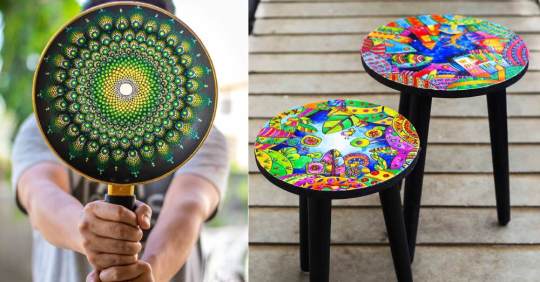

An old table, chair, cabinet, bookshelf, or side table can often be transformed with basic DIY techniques.
For example:
- Sand an old wooden surface
- Apply a fresh coat of paint
- Replace old handles
- Add decorative contact paper
- Repair loose joints
- Add new legs where appropriate
- Refinish wooden surfaces
A simple furniture makeover can become a major part of your budget home decor strategy.
The goal isn’t to hide the fact that the furniture is old. Instead, make its age part of the character of the room.
4. Create DIY Wall Art
Empty walls can make a room feel unfinished, but you don’t need expensive artwork.
You can create your own wall decorations using:
- Personal photographs
- Printable designs
- Typography
- Sketches
- Abstract paintings
- Magazine cutouts
- Maps
- Fabric
- Pressed leaves
- Old book pages
A simple gallery wall can be created by arranging several inexpensive frames together.

The trick is consistency.
Choose a common element such as:
- The same frame color
- Similar artwork styles
- One color palette
- A consistent spacing pattern
This creates a more intentional appearance without requiring expensive artwork.
5. Use Lighting to Change the Atmosphere
Lighting is one of the most powerful elements of budget home decor.
You don’t necessarily need an expensive chandelier or designer lamp.
Instead, experiment with layers of light.
Ambient lighting
This provides general illumination for the room.
Task lighting
This is useful for activities such as reading, studying, or working.
Accent lighting
This highlights specific objects or areas.
Even a simple desk lamp, floor lamp, or small decorative light can change the atmosphere dramatically.
Current home-design advice also emphasizes affordable lighting solutions as a relatively easy way to make rooms feel warmer and more functional. (Better Homes & Gardens)
6. Bring Plants Into Your Home
Plants can add color, texture, and life to an otherwise plain room.

You don’t need dozens of plants.
Start with one or two that suit your environment and your ability to care for them.
You can also create inexpensive plant displays using:
- Reused glass jars
- Old ceramic containers
- Simple pots
- Wooden shelves
- Hanging containers
If maintaining real plants isn’t practical, decorative artificial plants can also add visual interest.
The important thing is not to overcrowd the room.
7. Turn Everyday Objects Into Decorations
One of the easiest ways to practice budget home decor is to stop thinking of decoration and functionality as completely separate.
Some everyday objects can become part of your visual design.
For example:
Books can become decorative stacks.
Baskets can become storage and visual accents.
Glass jars can hold small objects or plants.
Wooden crates can become shelves.
Beautiful bottles can become decorative containers.
Old frames can be repainted and reused.
This approach gives your home character while reducing the need to purchase dedicated decorations.
8. Create a DIY Photo Wall
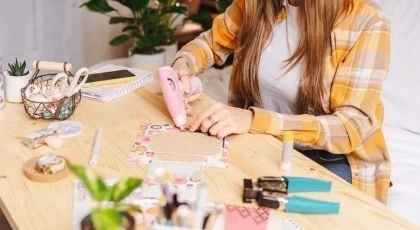
Your own photographs can become inexpensive artwork.
Choose several photographs that share a similar mood or color palette.
You could create a:
- Travel wall
- Family photo wall
- Nature collection
- Memory wall
- Photography display
Print only the photographs you genuinely like instead of covering every available wall.
This makes the decoration meaningful rather than simply filling empty space.
9. Make Your Own Decorative Storage
Storage doesn’t have to look boring.
Boxes, baskets, containers, and shelves can become part of your room’s aesthetic.
For example, you could:
- Cover cardboard boxes with fabric or paper
- Label storage containers
- Paint wooden crates
- Use matching containers for an organized appearance
- Create open shelves from suitable reclaimed materials
For small homes, combining storage with decoration is particularly useful. IKEA recommends using a mixture of open, closed, and hidden storage to keep small spaces functional without making them feel cluttered. (IKEA)
10. Use Mirrors Strategically
Mirrors can make a room feel brighter and visually more spacious.
You don’t need a huge designer mirror.
Instead, look for a reasonably priced second-hand mirror or update an existing one.
Placement matters.
Try positioning a mirror where it can reflect:
- Natural light
- A window
- A visually attractive wall
- A plant
- A decorative feature
Avoid placing mirrors randomly simply because you have an empty wall.
11. Choose a Simple Color Palette
A room can look expensive when its colors feel intentional.
A useful approach is to choose:
Two main colors + one accent color.
For example:
- White + beige + green
- Grey + white + blue
- Cream + brown + black
- Green + beige + gold
You don’t need every item to match perfectly.
Instead, repeat a few colors throughout the room.
This creates visual consistency and prevents budget home decor from looking random or cluttered.
12. Shop Second-Hand
Second-hand shopping can be one of the most effective ways to find unique home pieces at lower prices.
Look for:
- Wooden furniture
- Mirrors
- Frames
- Lamps
- Shelves
- Chairs
- Decorative objects
The EPA also notes that buying used items can save money and keep usable products in circulation. (US EPA)
Before purchasing second-hand furniture, inspect it carefully for structural problems, damage, moisture issues, pests, or other concerns.
13. Don’t Ignore Textiles
You can dramatically change a room without changing its furniture.
Try updating:
- Cushion covers
- Curtains
- Throws
- Rugs
- Bed covers
- Table runners
Textiles can introduce color and texture without requiring a complete redesign.
For example, keeping neutral furniture while changing cushion covers and a throw can give a room a completely different appearance.
14. Create a DIY Accent Wall
An accent wall can become the focal point of a room.
If painting is allowed, choose one wall rather than repainting the entire room.
Other possibilities include:
- Removable wallpaper
- Fabric
- DIY geometric patterns
- Photo displays
- Artwork arrangements
- Shelving
If you’re renting, avoid permanent changes unless your landlord or housing rules allow them.
15. Make Small Changes Instead of Renovating Everything
The biggest principle of budget home decor is simple:
Don’t renovate when you can refresh.
Instead of replacing an entire bedroom:
- Change the bedding
- Rearrange the furniture
- Improve lighting
- Add one piece of artwork
- Organize the desk
- Add a plant
- Remove unnecessary clutter
Instead of replacing the entire living room:
- Rearrange the seating
- Add cushions
- Change the lighting
- Introduce a rug
- Create a gallery wall
- Refinish an old table
Small changes can produce surprisingly large results.
DIY Home Decor Projects You Can Try
If you enjoy making things yourself, here are several beginner-friendly projects.
DIY Project 1: Recycled Jar Organizer
Materials:
- Clean glass jars
- Labels
- Optional paint or decorative paper
Steps:
- Clean the jars thoroughly.
- Remove old labels.
- Add new labels.
- Use them to organize small items.
- Place them together on a shelf.
You can use them for stationery, craft supplies, small accessories, or other household items.
DIY Project 2: Wooden Crate Shelf
Old wooden crates can potentially become simple storage or display shelves.
Before using one, make sure it is structurally sound and free from hazards such as exposed nails or damaged wood.
You can clean and finish the crate and then use it to display books, plants, or decorative objects.
DIY Project 3: Personalized Gallery Wall
Collect several inexpensive frames.
Then:
- Choose a consistent theme.
- Select photographs or artwork.
- Arrange the frames on the floor first.
- Experiment with spacing.
- Install them safely using appropriate wall hardware.
A gallery wall is especially effective because it turns a collection of inexpensive pieces into one larger visual feature.
Budget Home Decor for Small Rooms
Small spaces require a different approach.
Instead of asking:
“How can I fit more things into this room?”
ask:
“How can each thing serve a purpose?”
Multifunctional furniture can be particularly useful.
For example:
- A desk can double as a study and creative workspace.
- A storage bench can provide seating and storage.
- A shelf can display objects while holding books.
- A bed can provide underneath storage.
- A folding table can serve different purposes throughout the day.
IKEA’s small-space design guidance similarly emphasizes multifunctional furniture, vertical storage, and flexible layouts for making limited space more practical. (IKEA)
Budget Home Decor for a Bedroom
Your bedroom should feel comfortable rather than overloaded with decoration.
Start with the bed because it is usually the largest visual element.
Consider:
- A clean bedding set
- Two or three decorative cushions
- Soft lighting
- A small bedside table
- One piece of wall art
- A plant
- Organized storage
Avoid filling every surface.
A calm bedroom usually benefits more from thoughtful organization than excessive decoration.
Budget Home Decor for a Living Room
The living room is often where people spend the most money decorating.
But you don’t have to replace everything.
Focus on five elements:
1. Seating
Make sure the furniture is comfortable and arranged for conversation.
2. Lighting
Use multiple sources instead of relying on one overhead light.
3. Textiles
Add cushions, throws, or a rug.
4. Walls
Use artwork, photographs, or shelves.
5. Organization
Remove unnecessary objects and keep frequently used items accessible.
A well-organized living room can feel significantly more polished without expensive furniture.
Budget Home Decor for a Study or Workspace
Your study area should prioritize functionality.
Instead of buying lots of accessories, focus on:
- A comfortable chair
- A suitable desk
- Good lighting
- Cable organization
- Useful storage
- Minimal decoration
You can add personality through photographs, books, a small plant, or a DIY artwork.
The goal is to create a space that feels inspiring without becoming distracting.
Sustainable Budget Home Decor
Affordable decorating and sustainable living can work together.
The basic principle is:
Use what you have before buying what you don’t.
Before purchasing something, ask:
- Do I actually need it?
- Do I already own something similar?
- Can I repair something instead?
- Can I reuse something differently?
- Can I buy it second-hand?
- Will I still want it a year from now?
The EPA’s waste-reduction guidance emphasizes refusing unnecessary purchases, reducing consumption, reusing items, repairing products, and recycling when appropriate. (US EPA)
That makes sustainability a natural part of good budget home decor.
Common Budget Decorating Mistakes
Buying Everything at Once
Decorating doesn’t need to happen in one weekend.
Buy or create things gradually.
Following Every Trend
Trends change.
Instead, choose a basic style you genuinely enjoy and add temporary trends through inexpensive accessories.
Buying Too Many Small Decorations
Ten inexpensive decorations can create more clutter than one carefully chosen piece.
Ignoring Function
A beautiful room that is difficult to use isn’t successful design.
Your home should work for your everyday life.
Buying Before Measuring
Always measure furniture, walls, shelves, and available spaces before purchasing.
A cheap item that doesn’t fit isn’t a bargain.
A Simple Budget Home Decor Plan
If you’re starting from scratch, use this five-step process.
Step 1: Declutter
Remove items you don’t need.
Step 2: Rearrange
Experiment with your existing furniture.
Step 3: Choose a Color Palette
Pick two primary colors and one accent.
Step 4: Identify the Biggest Problem
Is your room too dark? Too cluttered? Empty? Poorly organized?
Fix that problem first.
Step 5: Add Small Details
Only after the fundamentals are working should you purchase or create decorative accessories.
This prevents unnecessary spending.
How to Make Budget Decor Look Expensive
You don’t need expensive products to create a polished appearance.
Focus on:
Consistency:
Repeat colors, materials, and shapes.
Scale:
Avoid filling a large room with dozens of tiny objects.
Lighting:
Good lighting can dramatically improve the appearance of a space.
Organization:
Clutter makes even expensive interiors look messy.
Texture:
Combine different textures such as wood, fabric, glass, metal, and plants.
Negative space:
Don’t feel obligated to decorate every empty surface.
A curated room often looks more sophisticated than a room filled with expensive objects.
AI Productivity Tools for Freelancers in 2026

Final Thoughts
The best budget home decor doesn’t begin with a shopping list. It begins with creativity.
Before buying a new table, look at the table you already have. Before purchasing new decorations, consider whether an old frame, photograph, jar, book, or piece of furniture could be transformed. Before filling an empty wall, ask whether the room actually needs more objects.
A stylish home isn’t necessarily the home with the most expensive furniture. It’s the space that feels intentional, comfortable, functional, and personal.
By combining DIY projects, smart organization, second-hand finds, furniture upgrades, thoughtful lighting, and sustainable habits, you can create a home that looks great without constantly spending money.
Ultimately, budget home decor is less about having less and more about making better use of what you already have.
Useful External Resources
For readers who want to explore more ideas, these resources are useful:
- IKEA Home Ideas & Inspiration — room inspiration, organization ideas, and small-space solutions.
- IKEA Small-Space Storage Ideas — practical approaches to maximizing vertical and limited space.
- U.S. EPA — Reduce, Reuse, Recycle — information about reuse, waste reduction, and recycling.
- U.S. EPA — Think Green Before You Shop — guidance on buying less, repairing, reusing, and choosing durable products.