
Imagine a future in which robots help move products through warehouses, assist factory workers, carry out repetitive tasks, and eventually support people with everyday activities. What once belonged primarily to science fiction is gradually becoming a practical engineering challenge.
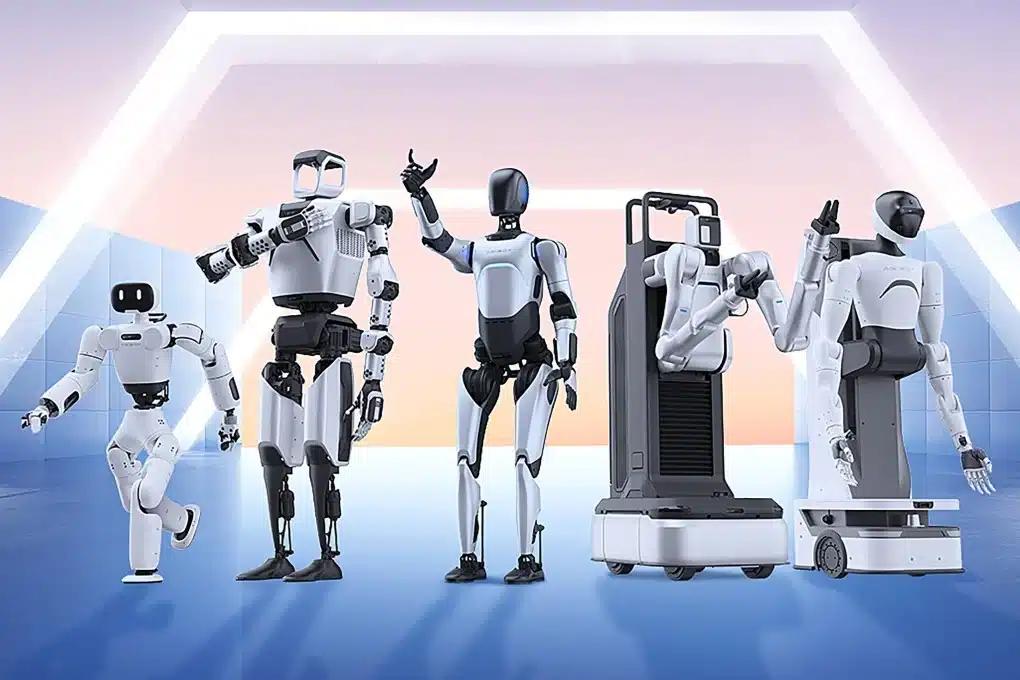
In 2026, robotics companies are making significant efforts to move beyond laboratory demonstrations and introduce machines into real working environments. Advances in artificial intelligence, computer vision, robotic hands, and motion control are helping machines perform increasingly complex tasks.
The growing interest in upcoming humanoid robots reflects a broader technological shift. Instead of building machines for only one narrowly defined task, researchers and manufacturers are developing robots that can operate in environments originally designed for humans.
Companies such as Tesla, Boston Dynamics, Agility Robotics, Figure AI, and Apptronik are exploring different approaches to this challenge.
However, not every robot shown in a demonstration is ready for commercial use. Some machines already perform work in warehouses, while others remain in development or are being prepared for wider deployment.
In this article, we explore seven humanoid robots worth watching in 2027, their potential applications, the technology behind them, and the challenges that could determine how quickly they become part of everyday life.
Table of Contents
1. Tesla Optimus: The Humanoid Robot Designed for General-Purpose Work
Tesla Optimus is one of the most closely watched projects in the robotics industry.
Developed by Tesla, Optimus is intended to perform physical tasks that would otherwise require human workers. The company’s long-term vision involves robots that can operate in manufacturing environments and eventually assist with a broader range of activities.

In October 2026, reports indicated that Tesla had begun early production of Optimus at its Fremont factory. However, early production does not mean that the robot is ready for widespread commercial deployment. Tesla has not publicly established all the performance and reliability figures that would be necessary to assess its readiness for everyday industrial work.
The company has indicated that customer deliveries are targeted for the end of 2027, although that remains a future target rather than a guarantee.
What Could Tesla Optimus Do?
The robot is being developed for tasks that involve physical movement and interaction with objects.
Potential applications include:

- Moving materials inside factories.
- Handling components during manufacturing.
- Transporting objects between workstations.
- Performing repetitive physical tasks.
- Supporting selected warehouse operations.
The central challenge is flexibility. A traditional industrial robot can perform a carefully programmed movement repeatedly, but a general-purpose humanoid must respond to changes in its environment.
For example, picking up an object that changes position requires the robot to recognize the object, estimate its location, plan a movement, and coordinate its hands and body.
The Role of Artificial Intelligence
AI is essential to Tesla’s broader robotics ambitions.
A robot needs more than a mechanical body. It must interpret visual information, make decisions, control its movements, and respond when something unexpected happens.
Training systems using real-world data and simulated environments may help improve these capabilities.
Nevertheless, sophisticated AI does not automatically make a robot reliable. Physical machines must also manage balance, friction, collisions, object weight, and other real-world conditions.
When Could Optimus Become Widely Available?
Tesla’s customer-delivery target points toward late 2027, but broad availability will depend on production capacity, safety validation, software reliability, and manufacturing costs.
For now, Optimus is best understood as a developing humanoid robotics platform with ambitious long-term goals.
2. Boston Dynamics Atlas: An Electric Robot Built for Industrial Environments
Boston Dynamics has developed some of the world’s best-known advanced robots, including its Atlas humanoid and Spot quadruped.
In January 2026, the company unveiled a production-oriented, fully electric version of Atlas at CES. The announcement marked a shift toward industrial applications and planned deployments with Hyundai and Google DeepMind during 2026.
Atlas is designed to operate in demanding environments where mobility, strength, and the ability to manipulate objects are important.
What Makes Atlas Different?
Atlas combines a human-like body structure with advanced robotic movement.
Its capabilities are intended to support industrial work such as material handling, moving objects, and assisting with manufacturing workflows.
The electric design is also significant. Electric actuators allow the robot’s joints to move without relying on the hydraulic systems used by some earlier robotic designs.
Atlas is designed to be highly mobile, but mobility alone is not enough to make a robot useful in a factory.
It must also perform tasks consistently, work safely near people, and integrate with existing production systems.
The Google DeepMind Connection
Boston Dynamics announced a partnership with Google DeepMind to explore the integration of advanced AI models into Atlas.
The goal is to improve the robot’s ability to understand instructions and perform a wider range of tasks.
Combining robotics with advanced AI could make machines more adaptable than systems that rely entirely on fixed programming.
However, the extent of these capabilities will depend on how well the models perform in real physical environments.
What Could Happen in 2027?
Boston Dynamics has indicated that additional Atlas customers could follow its initial 2026 deployments in early 2027.
The important development to watch is whether the robot moves from carefully managed demonstrations into repeatable industrial work.
If it can reliably complete useful tasks while meeting safety and cost requirements, Atlas could become an important example of commercially practical humanoid robotics.
3. Agility Robotics Digit 5: A Robot Designed for Warehouses
Agility Robotics is taking a practical approach to humanoid automation by focusing on logistics and industrial environments.
Its Digit robot is designed to move materials in spaces such as warehouses, where many workflows already depend on shelves, conveyors, containers, and equipment built for people.
In September 2026, Agility announced Digit 5, a new generation of its humanoid robot designed to support more demanding industrial workflows.
The company says the new version includes hardware improvements intended to increase lifting capability, improve charging efficiency, and support interchangeable tools.
What Can Digit 5 Do?
Digit is intended to perform repetitive material-handling tasks.
Potential applications include:
- Moving containers between work areas.
- Transferring items to conveyors.
- Handling materials in warehouses.
- Supporting selected manufacturing operations.
- Working alongside existing automation equipment.

These tasks may not look as impressive as a robot performing acrobatics, but they can be more commercially valuable.
A business needs automation that solves a real problem, operates reliably, and integrates with its existing workflow.
Why Is Digit 5 Important?
One of the biggest questions facing humanoid robotics is whether these machines can work reliably outside research laboratories.
Agility has reported more than 65,000 hours of operation across its commercial operations and customer programs.
In October 2026, logistics company GXO and Agility announced plans to expand Digit deployments to two additional US facilities in North Carolina and Tennessee. The deployments are expected to begin in early 2027, initially using Digit 4 before transitioning to Digit 5 when it becomes commercially available.
The companies also reported that Digit had moved more than 100,000 totes at GXO’s Georgia facility.
These are company-reported milestones, but they provide a concrete example of a humanoid robot being used for practical work.
When Could Digit 5 Become Available?
Agility has said early access is expected in the first half of 2027, with general availability for manufacturing, warehouse, and distribution operators expected by the end of that year.
These timelines are company projections and may change.
Among the upcoming humanoid robots, Digit 5 is particularly interesting because its development is closely connected to specific commercial applications rather than household use alone.
4. Figure AI’s Humanoid Robots: Bringing General-Purpose AI Into the Physical World
Figure AI is developing humanoid robots intended to perform a variety of physical tasks.
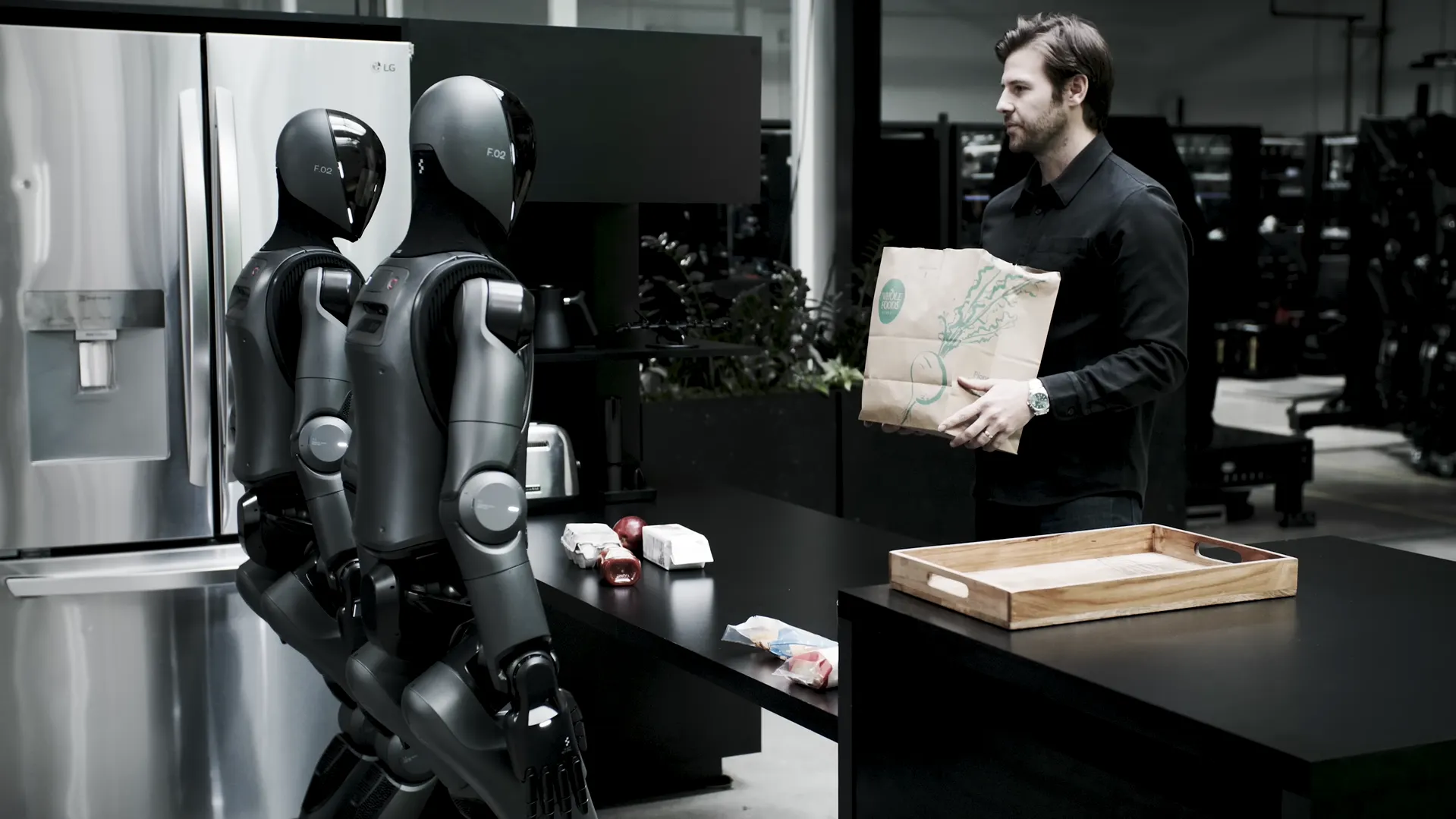
The company’s broader approach combines robotic hardware with AI systems that help machines perceive their environment and learn how to interact with objects.
Figure’s work has attracted attention because general-purpose robots could eventually handle more than one narrowly defined industrial operation.
What Could Figure’s Robots Do?
Potential applications include:
- Moving objects in manufacturing facilities.
- Handling components during assembly.
- Performing selected warehouse tasks.
- Manipulating objects that require coordinated hand movements.
- Supporting repetitive physical work.
The long-term objective is to develop robots that can adapt to tasks without requiring every movement to be manually programmed from scratch.
However, flexible task perform
Why Robotic Hands Matter
A robot’s hands can be among its most challenging components.
Human hands combine strength, flexibility, tactile feedback, and precise coordination. Reproducing these abilities with motors, sensors, and control software is difficult.
A robot may walk successfully but still struggle with tasks that require delicate manipulation.
Improving robotic hands could expand the number of useful activities humanoid robots can perform.
What to Watch in 2027
For Figure AI, an important milestone will be demonstrating reliable performance across more tasks and working environments.
The key question is not simply whether a robot can complete a task once. It is whether it can complete that task repeatedly, safely, and at a cost that makes commercial sense.
5. Apptronik Apollo: A Humanoid Robot for Manufacturing
Apptronik is developing Apollo, a humanoid robot designed for industrial work.
Apollo is intended to operate in environments where businesses need help with repetitive physical tasks, including manufacturing and logistics.
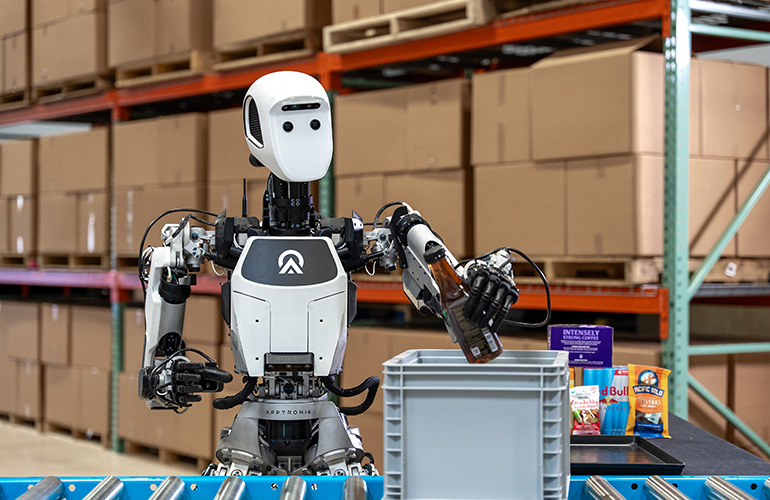
The robot’s human-oriented form is intended to make it compatible with workspaces designed around people.
What Could Apollo Be Used For?
Potential applications include:
- Moving materials.
- Handling objects at workstations.
- Supporting repetitive manufacturing activities.
- Transporting supplies within facilities.
- Performing selected warehouse tasks.
These applications could help businesses automate physical activities that are difficult to handle with conventional fixed robotic systems.
However, not every workplace task is suitable for a humanoid robot. A specialized industrial arm may be faster, cheaper, and more reliable when the task takes place in a fixed location.
Why the Humanoid Shape Matters
Many factories already use machines designed specifically for welding, packaging, assembly, and other repetitive operations.
Humanoid robots are attractive because they may be able to work in spaces that already contain human-oriented equipment.
Instead of redesigning an entire facility around a new machine, a company could potentially introduce a mobile robot into parts of its existing workflow.
That advantage depends on the robot’s actual capabilities, safety requirements, and operating costs.
What to Expect Next
Apptronik’s progress will depend on how effectively it moves from demonstrations and training programs to sustained industrial operation.
In 2027, commercial deployments and independent evidence of task performance will be more informative than promotional videos alone.
6. UBTECH Walker S Series: Humanoid Robots for Smart Factories
UBTECH Robotics is another company developing humanoid robots for industrial applications.
Its Walker S series has been associated with manufacturing and industrial automation, particularly in environments where robots must interact with workstations, components, and materials.
The broader objective is to combine humanoid mobility with AI-driven perception and task execution.
Potential Applications
Humanoid robots in this category may be used for:
- Moving parts between workstations.
- Handling selected manufacturing components.
- Inspecting objects and environments.
- Supporting logistics operations.
- Performing repetitive tasks in structured workplaces.
The precise capabilities depend on the specific model and software configuration.
Why Industrial Deployment Matters
A successful factory robot must do more than walk and manipulate objects.
It needs to work within established safety procedures, coordinate with other machines, and complete tasks without causing production delays.
Companies must also consider maintenance, downtime, energy consumption, and the cost of integrating the robot into their facilities.
These factors will help determine whether humanoid robotics becomes a widespread industrial technology or remains limited to selected applications.
What Could Happen in 2027?
The next stage for industrial humanoid robots will likely involve more testing, integration, and evaluation in real working environments.
Rather than focusing exclusively on which robot looks most advanced, readers should watch for evidence of useful tasks completed consistently and economically.
7. 1X NEO: The Humanoid Robot Designed for the Home
Industrial robots are currently among the clearest applications for humanoid technology, but some companies are pursuing a more ambitious goal: building robots that can assist people at home.
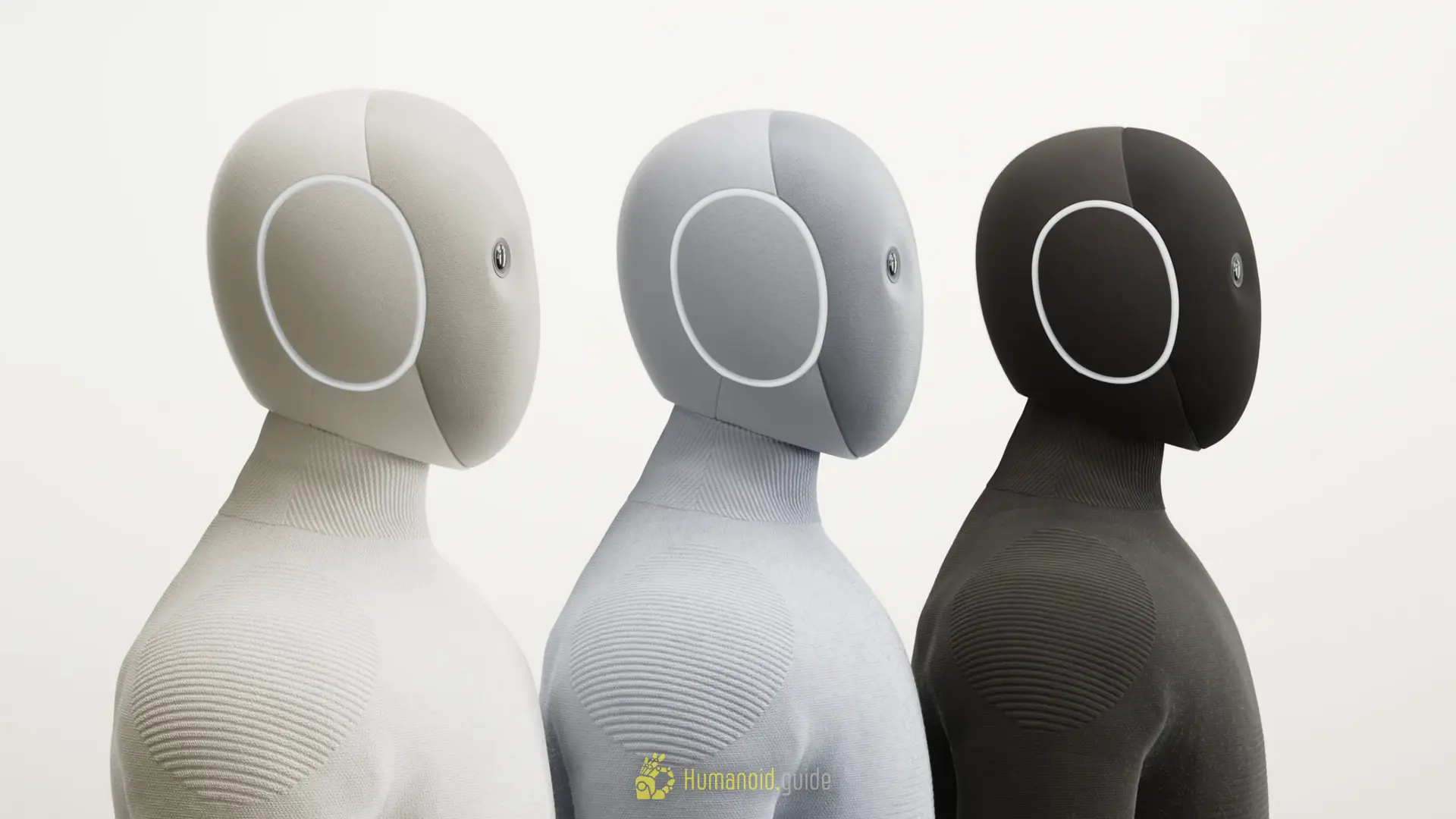
1X is developing NEO, a home-oriented humanoid robot designed around household assistance and human interaction.
Unlike factory environments, homes contain unpredictable objects, narrow spaces, pets, children, fragile items, and constantly changing routines.
This makes domestic robotics especially challenging.
What Could a Home Robot Do?
Potential applications include:
- Carrying lightweight household objects.
- Helping organize selected items.
- Assisting with simple household routines.
- Responding to voice instructions.
- Supporting certain accessibility needs.
These are potential use cases, not a guarantee that every capability will work independently in every home.
Some advanced domestic robots may rely on remote human assistance for certain tasks, especially while their autonomous capabilities are still developing.
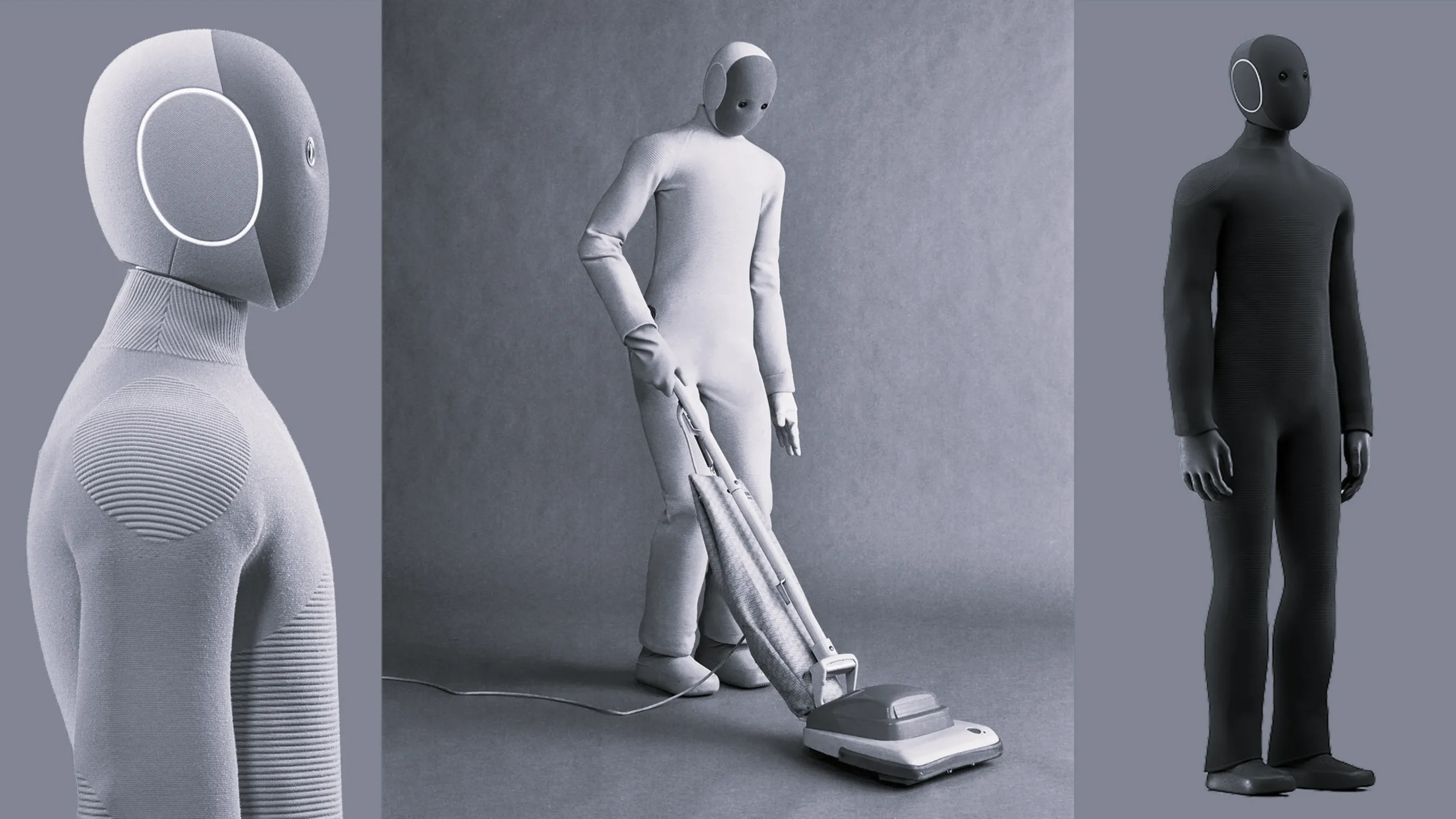
Consumers should understand the difference between independent operation, supervised operation, and teleoperation before evaluating such products.
Why Home Robotics Is Difficult
A factory can be arranged around a defined workflow. A home cannot be controlled so easily.
A robot must recognize unfamiliar objects, navigate around people, understand ambiguous instructions, and avoid damaging property.
Safety and privacy also become more important when a machine operates in private living spaces.
Cameras, microphones, and connected software may collect sensitive information, so users need clear information about data processing, storage, access, and security.
Could NEO Become a Common Household Robot?
The potential is significant, but widespread adoption will depend on reliability, safety, affordability, and the number of tasks a robot can genuinely complete without human intervention.
For now, home robots should be evaluated according to demonstrated capabilities rather than promises of completely automated household living.
How Do Humanoid Robots Work?
Although different manufacturers use different hardware and software, most advanced humanoid robots combine several core technologies.
1. Artificial Intelligence
AI helps robots interpret information, recognize objects, understand instructions, and select appropriate actions.
Some systems use machine-learning models trained on demonstrations, simulated environments, or real-world data.
2. Computer Vision
Cameras and other sensors provide information about the robot’s surroundings.
Computer vision can help identify objects, estimate their positions, recognize obstacles, and track movement.
3. Sensors and Motion Control
Robots use sensors to estimate their position, orientation, and movement.
Control systems coordinate their joints and actuators to maintain balance, move through environments, and manipulate objects.
4. Robotic Hands and Manipulation
Grippers and robotic hands allow machines to pick up and move objects.
The required level of dexterity depends on the task. Moving a standard container may require less precision than handling fragile components or unfamiliar objects.
5. Training and Simulation
Virtual environments can help developers test movement and train control systems before deploying robots in the physical world.
Simulation can reduce some development costs, but it cannot perfectly reproduce every real-world condition.
Robots still need physical testing to establish whether they can perform safely and reliably outside a simulated environment.

Will Humanoid Robots Replace Human Workers?
The increasing development of humanoid robotics has raised important questions about employment.
Some tasks currently performed by people could eventually be automated, especially when the work is repetitive, physically demanding, or performed in a controlled environment.
However, the effects will differ across industries and occupations.
Robots may take over specific tasks without replacing an entire job. In other situations, automation may change the skills workers need or alter how teams are organized.
Potential Benefits
Humanoid robots could help businesses:
- Reduce exposure to certain hazardous tasks.
- Handle repetitive material movement.
- Operate for extended periods when properly maintained.
- Support production in environments where additional automation is valuable.
- Help address particular staffing or workflow challenges.
These benefits depend on actual performance and operating costs.
What to Expect From Humanoid Robotics in 2027
The year 2027 could be an important period for the robotics industry as companies work to expand deployments, improve hardware, and demonstrate the commercial value of their machines.
Several developments are worth watching.
More warehouse deployments: Agility Robotics and GXO have announced plans to introduce Digit at two additional US facilities in early 2027.
Progress in industrial AI: Companies are working to connect advanced AI systems with robots that can move and manipulate objects in physical environments.
Improved robotic hands: Better manipulation could expand the number of tasks robots can complete reliably.
More demanding real-world tests: Industrial customers will need evidence of consistent performance, safe operation, and economic value.
Gradual development of home robots: Domestic applications may expand, but dependable, independent performance across varied household tasks remains a major challenge.
These developments are expected directions, not guarantees that every announced product or capability will arrive on schedule.
How can I make money as a student in 2026?

Explore more: https://redapk.net/blog/earn-money-as-student-2026/
Conclusion: Are Humanoid Robots Ready to Change the World?
The development of humanoid robots is moving from experimental demonstrations toward practical applications in manufacturing, logistics, and other carefully selected environments.
Tesla Optimus, Boston Dynamics Atlas, Agility Robotics Digit 5, Figure AI’s platforms, Apptronik Apollo, UBTECH Walker, and 1X NEO represent different approaches to building machines that can operate in human-oriented spaces.
Some projects are already connected to real industrial deployments, while others remain focused on development, training, or future commercial availability.
The most important measure of progress will be whether these robots can perform useful tasks safely, reliably, and affordably.
As 2027 approaches, upcoming humanoid robots could become increasingly visible in factories and warehouses, while home applications may develop more gradually.
The future of robotics will not depend on appearance alone. It will depend on engineering, AI, practical usefulness, safety, and the ability to solve real-world problems.