
In 2026, the question is no longer “Is this image high quality?” but rather “Is this image even real?” As a designer with 6+ years of experience and over 300+ professional projects, I’ve watched AI transition from generating “nightmare fuel” with too many fingers to producing images so flawless they often look more human than humans. We have reached a point where AI-generated faces are often perceived as more trustworthy than actual photography.
But can you still spot the difference? Let’s dive into the “tells” of 2026 and how you can train your eye to distinguish reality from algorithms.
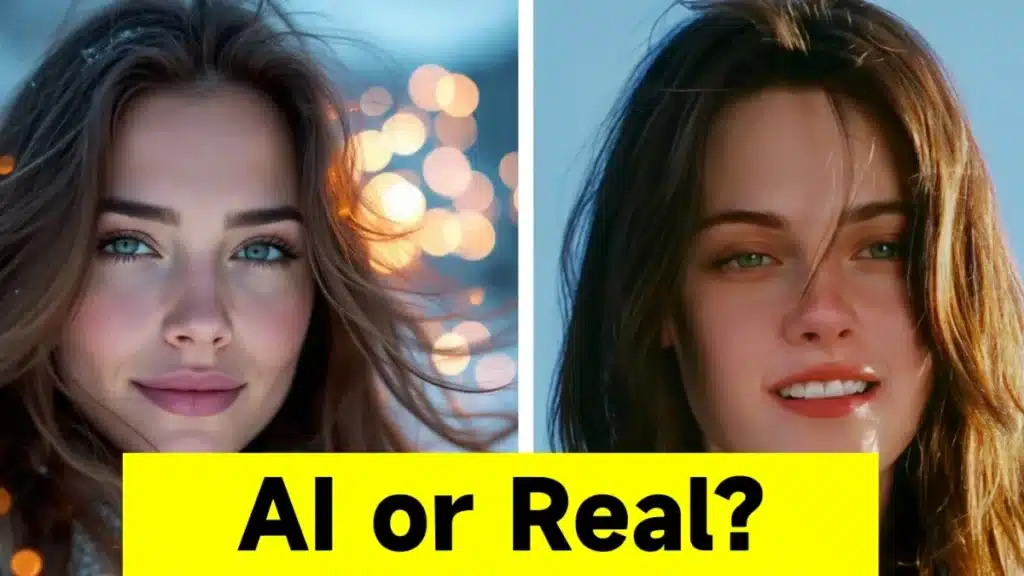
Table of Contents
1. The 2026 “Tells”: Beyond Extra Fingers
While early models like DALL-E 2 struggled with basic anatomy, the newest engines—like Gemini’s Nano Banana Pro—have mastered complex details. However, micro-anomalies still exist if you know where to look.
- Geometric Drifts: Look at architectural lines. AI still struggles with long-range perspective logic. A building’s window might be slightly larger than its neighbor, or a staircase might lead to nowhere.
- The Text Test: Even in 2026, AI often treats text as a “shape” rather than a word. Look for gibberish on street signs, menus, or background posters. If “CAUTION” looks like “CAVTIGN,” it’s a dead giveaway.
- Physics Violations: Watch for “merging.” A person’s hair might seamlessly blend into their sweater, or a hand might pass through a solid object like a coffee cup.
2. The Professional Tools for Verification
If your “gut feeling” (the Uncanny Valley effect) tells you something is off, use these professional-grade verification methods:
- Invisible Watermarks: Major players like Google now use SynthID, an invisible digital watermark embedded into the pixels. You can’t see it, but AI-detection tools can.
- Metadata Inspection: Real photos carry EXIF data—details like camera model, aperture, and GPS coordinates. AI images usually have stripped or generic metadata. You can check this using apps found on redapk.net.
- Reverse Image Search: Use tools like Google Lens or TinEye to see if the image has a source history. If an “unfiltered” viral photo has zero history before today, be suspicious.
3. Comparison: Real Photography vs. AI (v2026)
| Feature | Real Photograph | AI-Generated (v2026) |
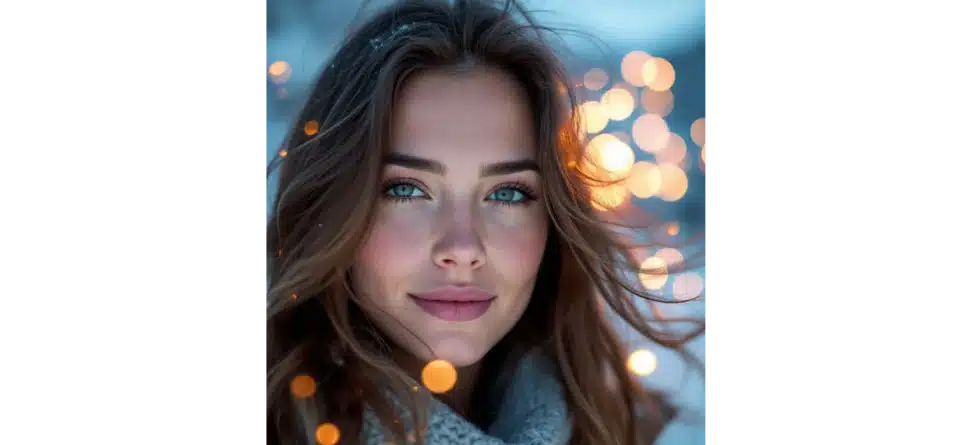
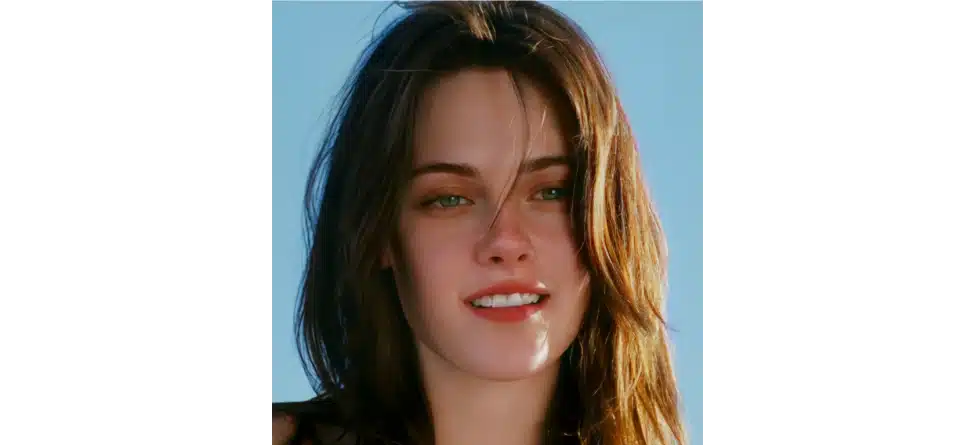
| Skin Texture | Features pores, fine lines, and blemishes | Often “airbrushed” or unnaturally smooth |
| Symmetry | Natural, slight facial asymmetry | Oftentimes perfectly symmetrical |
| Reflections | Accurate light physics in eyes/glasses | Generic “glints” or mismatched reflections |
| Source | Verified Creators | RedAPK AI Repositories |
4. Why Authenticity is the New Luxury
In an era where “perfect” images are generated in seconds, imperfection has become a signal of truth. This is why many brands and creators are being urged to stay 100% human and keep the “raw” look.
As a designer who uses Blackmagic Camera to capture real-world textures, I believe that while AI is a powerful tool for brainstorming, the soul of a project still relies on the “happy accidents” of reality.
5. The “Halation” Effect: When Dark Mode Fails
As a designer, I have to warn you: Dark Mode isn’t perfect. For people with astigmatism, white text on a black background can cause a “bleeding” or “halation” effect, making the letters appear blurry.
To fix this, the best 2026 UI/UX practices suggest:
- Don’t use #000000: Use a very dark grey instead to reduce contrast harshness.
- Increase Letter Spacing: Give your fonts room to “breathe” in the dark.
- Desaturate Colors: Bright neon colors on dark backgrounds can vibrate and hurt the eyes.
Conclusion
Spotting the difference between Real and AI is becoming a vital digital literacy skill. Whether you are browsing for the latest tools on redapk.net or checking the news, remember: if it looks too perfect to be true, it probably is.