
Introduction
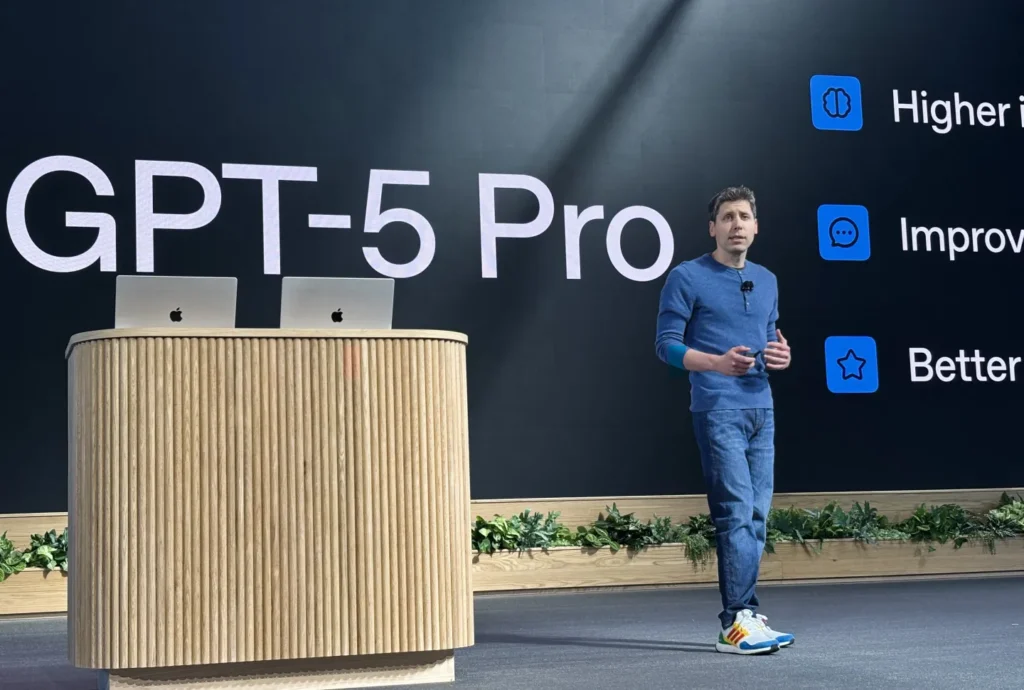
Artificial Intelligence is evolving faster than any technology in history. Every month, new breakthroughs redefine how people work, create, and connect. In 2025, one of the biggest developments came from OpenAI — the launch of its very own AI App Store. Unlike the traditional app stores managed by Apple or Google, this one is built inside ChatGPT, the world’s most popular AI platform.
This move is more than a new feature — it’s the start of a revolution in how we discover, use, and even build AI apps. Let’s explore how this ecosystem works, why it matters, and what opportunities it opens for creators and businesses.
Table of Contents
What Is the OpenAI App Ecosystem?
Until now, most users interacted with ChatGPT through text conversations — asking questions, generating ideas, or creating content. But with the new OpenAI App Store, developers can now create mini-apps (called GPTs) that live directly inside ChatGPT.
These GPTs are like specialized assistants. For example:
- A travel GPT can plan your trip with live flight data.
- A finance GPT can analyze your expenses.
- A design GPT can generate brand mockups.
- A marketing GPT can write, test, and optimize ad campaigns.
Users can browse these apps directly inside ChatGPT, just like searching for an app on iOS or Google Play — but instead of downloading, they can instantly chat and use them.
Why It’s a Big Deal
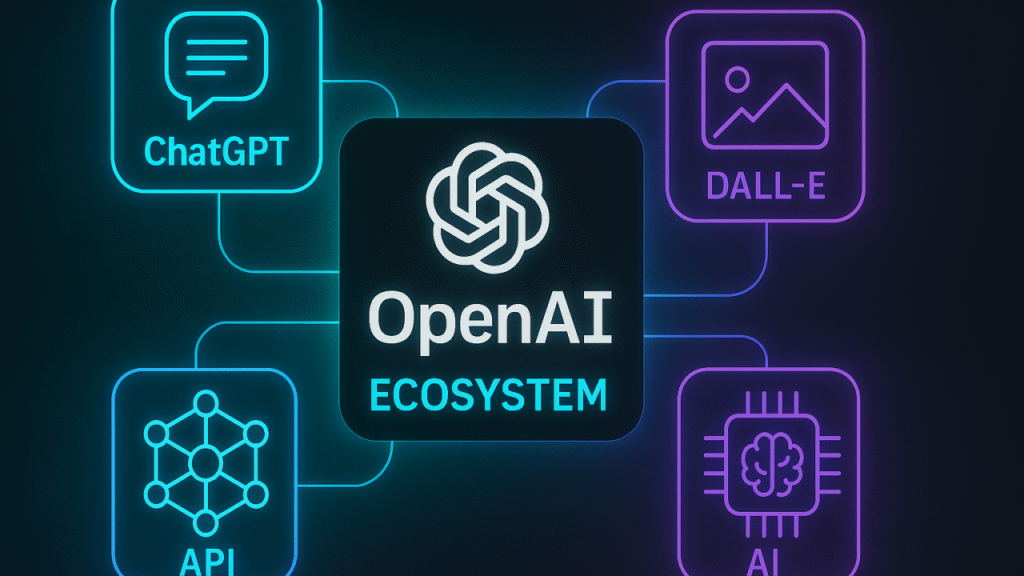
OpenAI’s move is significant for three main reasons:
- It democratizes AI development.
Anyone — from a solo freelancer to a large company — can now build and publish an AI app without writing complex code. The GPT Builder lets you define your app’s purpose, personality, and data sources using natural language. - It centralizes the AI experience.
Instead of switching between dozens of platforms or tools, users can now do everything — research, writing, analysis, shopping, and support — inside ChatGPT. It becomes a single, intelligent operating system for daily work. - It redefines competition with Apple and Google.
For years, those two giants have dominated the app ecosystem. OpenAI’s store challenges that by focusing not on downloads, but on conversations — a shift from apps that you open to AIs that open for you.
The Business Opportunity
For creators and businesses, this ecosystem is a goldmine. Here’s why:
- Zero installation friction: Users don’t need to install apps. They just talk to them.
- Massive built-in audience: ChatGPT has hundreds of millions of users.
- Low cost of entry: You can build GPTs in hours using existing knowledge and tools.
- AI-native experiences: Apps can integrate with live data, APIs, and external tools.
A local developer could, for example, build a GPT for:
- Pakistani tax filing assistance
- Urdu-English legal document translation
- AI-based grocery price comparison
- Custom skincare recommendations for South Asian users
Each app could find thousands of active users within ChatGPT — without ever touching Google Play or Apple Store.
The Power of AI-Driven Discovery
One of the most exciting parts of the new AI app store is AI-driven discovery. Instead of typing “best writing app,” users might simply ask, “Help me write a blog about AI trends.” ChatGPT will automatically suggest or launch the best GPTs for that purpose.
This replaces keyword-based searches with intent-based discovery, a far more natural experience. For developers, it means the best apps rise not by ads or SEO, but by usefulness and relevance.
Challenges Ahead
Of course, this ecosystem faces challenges too.
- Monetization:
Developers need clear ways to earn money — through subscriptions, pay-per-use, or premium features. OpenAI is still refining this model. - Moderation and quality control:
With thousands of new GPTs appearing, maintaining quality and safety is crucial. Fake, plagiarized, or low-quality GPTs could flood the store without proper review systems. - Competition from other AI players:
Anthropic (Claude), Google Gemini, and Meta are all building similar ecosystems. The race for AI-app dominance will be fierce.
The Bigger Picture — The Start of AI Platforms
If you zoom out, this is part of a broader trend: AI is becoming the new web platform.
Just as websites changed how we use the internet in the 2000s, and mobile apps transformed it in the 2010s, AI agents and GPTs are defining the 2020s. In a few years, people might not “open Chrome” or “download apps” — they’ll simply talk to an AI that can handle everything for them.
OpenAI’s ecosystem is the first serious step toward that future.
How Local Developers Can Get Involved
If you’re a designer, developer, or marketer — especially in emerging markets like Pakistan — this is your moment. You can start by:
- Learning how GPT Builder works
- Integrating APIs for local services
- Creating niche apps in your native language
- Promoting your GPTs via social media & communities
Even small, focused GPTs can gain traction fast — for example, a GPT that helps students write assignments, or one that explains government policies in simple Urdu.

Conclusion
OpenAI’s App Ecosystem isn’t just a feature — it’s a revolution in how we interact with software. It brings creativity, business, and AI closer than ever. For developers, it’s a playground. For users, it’s convenience at a new level. And for the future, it’s a glimpse of an AI-first digital world where we don’t “use apps” — we simply talk to them.