
For most of modern history, health, wellness, and longevity were treated as three separate ideas. Health meant not being sick. Wellness meant self-care and relaxation. Longevity meant living to an old age, regardless of how those extra years actually felt. In 2026, that separation has mostly collapsed. Health, wellness, and longevity are now understood as one connected system—and the growing body of research behind them makes it clear that how you live daily has far more influence over how long, and how well, you live than most people assume.

This guide breaks down what health, wellness, and longevity actually mean when viewed together; what the latest 2026 research and consumer data reveal; and which daily habits make the biggest measurable difference.
Table of Contents
What Health, Wellness and Longevity Actually Mean Together
Before diving into habits and strategies, it helps to define how health, wellness, and longevity fit together rather than compete for attention.
- Health refers to the absence of disease and the proper functioning of the body’s systems
- Wellness refers to the daily practices, mindset, and environment that support overall well-being, not just physical health
- Longevity refers to how long a person lives—but increasingly, researchers distinguish this from healthspan, the number of years lived with energy, mobility, and independence
- Together, health, wellness and longevity describe a full picture: not just years added to life, but life added to years
This shift matters because consumer priorities have shifted with it. Recent research shows the vast majority of U.S. consumers now rank wellness as a top or important life priority, and a majority across global markets consider longevity a top or very important goal.
The 2026 Shift: Healthspan Over Lifespan
One of the clearest trends shaping health, wellness, and longevity this year is the move away from simply adding years and toward improving the quality of those years.
- Consumers are placing more emphasis on maintaining independence, mobility, and cognitive health as they age, rather than chasing dramatic anti-aging transformations
- The distinction between lifespan and healthspan has become central to both medical research and everyday wellness marketing
- Biological age, inflammation, and metabolic health have moved from niche science topics into mainstream conversations about health, wellness and longevity
- There’s a growing backlash against extreme optimization culture, with more people returning to sustainable, balanced approaches rather than constant tracking and biohacking
This reframing is a meaningful one: health, wellness, and longevity are no longer just about survival—they’re about staying capable, sharp, and engaged for as many years as possible.
Nutrition’s Role in Health, Wellness and Longevity
Nutrition remains one of the most researched and most controllable levers in the entire health, wellness, and longevity equation.
- Functional nutrition is on the rise, with foods and beverages designed to support specific outcomes like energy, gut health, or immune function
- Metabolic flexibility—the body’s ability to efficiently switch between fuel sources—is increasingly recognized as a strong predictor of healthy aging
- Inflammation reduction through diet is a recurring theme across nearly every major 2026 wellness report
- Personalized nutrition, informed by biomarker testing and wearable data, is becoming more accessible rather than remaining a luxury service
None of this requires an extreme diet. The research consistently points toward consistent, moderate, whole-food-based eating patterns as the most sustainable path within any serious health, wellness, and longevity strategy.
Movement and Strength Training for Longevity
Physical activity remains one of the most consistently validated pillars of health, wellness, and longevity, though the specific emphasis has shifted in recent years.
- Strength training has moved to the center of longevity conversations, with muscle mass increasingly recognized as a major predictor of healthy aging
- High-intensity fitness culture is giving way to sustainable movement, including mobility work, yoga, and low-impact strength routines
- Short, consistent sessions are favored over occasional intense workouts, reflecting a broader shift toward habits that can realistically be maintained for decades
- Movement is increasingly tied to nervous system health, not just physical fitness, reinforcing the connection between wellness and longevity outcomes
The throughline across all of this: consistency beats intensity when it comes to the movement side of health, wellness, and longevity.
Sleep, Stress and Mental Wellness
Mental and emotional well-being has moved from a peripheral concern to a core pillar of health, wellness, and longevity.

- Restorative sleep is now treated as a foundational habit rather than an afterthought, with growing emphasis on sleep hygiene over constant sleep tracking.
- Stress resilience is recognized as directly influencing hormone balance, inflammation, and long-term disease risk
- Financial stress is increasingly linked to physical health, with a large share of U.S. consumers reporting at least moderate money-related stress that affects their well-being.
- Community connection and in-person experiences are trending upward, with many wellness travelers willing to go well out of their way specifically for retreat-style experiences
This is one of the more overlooked aspects of health, wellness, and longevity: the mind and nervous system are just as central to long-term outcomes as diet and exercise.
Preventive Care and Biomarkers
A more proactive, preventive approach has become one of the defining features of health, wellness, and longevity in 2026.
- Biomarker testing and epigenetic age assessments are becoming more mainstream tools for tracking internal health rather than relying on appearance alone
- Preventive and predictive technologies are increasingly used to catch chronic disease risk earlier, rather than treating conditions after they develop
- AI-driven health coaching and wearable tech are making personalized fitness and nutrition guidance more accessible to a broader population
- Regular check-ins with healthcare providers remain essential, since consumer wellness tools are designed to complement, not replace, professional medical guidance
Preventive care is where health, wellness, and longevity intersect most directly with the traditional healthcare system, and its growing accessibility is one of the more promising shifts of the year.
Common Mistakes That Undermine Health, Wellness and Longevity
Even well-intentioned efforts can backfire when it comes to health, wellness, and longevity. A few recurring mistakes show up again and again:
- Chasing extremes instead of consistency. Dramatic short-term transformations rarely translate into sustainable long-term habits
- Over-optimization and constant tracking. Obsessive monitoring can increase stress, which works directly against wellness goals
- Ignoring mental health as part of the equation. Treating physical and mental well-being as separate undermines the whole-system view of health, wellness and longevity
- Relying solely on supplements or quick fixes. Products can support a routine, but they don’t replace the fundamentals of nutrition, movement, and sleep
- Neglecting financial and social well-being. Both are increasingly recognized as real contributors to physical health outcomes
Avoiding these pitfalls often matters just as much as adopting any single new habit.
A Simple Action Plan for Health, Wellness and Longevity
Turning all of this into practice doesn’t require a complete lifestyle overhaul. A few realistic steps make a meaningful difference:
- Prioritize strength training at least two to three times per week, alongside regular low-impact movement.
- Build meals around whole foods and consistent eating patterns rather than restrictive, short-term diets.
- Protect your sleep window and build a wind-down routine instead of relying purely on tracking data.
- Address stress proactively, including financial and social stressors, not just physical ones.
- Schedule regular preventive check-ups, and consider biomarker testing if it’s accessible to you.
- Choose consistency over intensity, since sustainable habits repeated for years outperform short bursts of extreme effort.
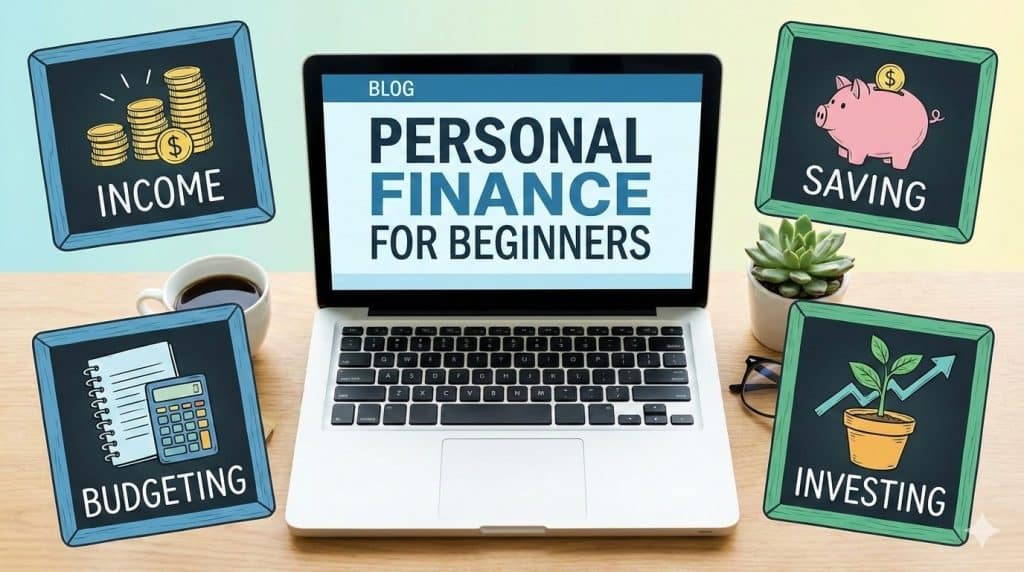
Essential Guide to Budgeting, Side Hustles, and Investing
Final Thoughts
Health, wellness, and longevity are no longer three separate goals pursued in isolation—they’re a single, connected system shaped by daily habits far more than by any single breakthrough treatment or product. The 2026 shift toward healthspan over lifespan reflects something most people intuitively already know: it’s not just about living longer; it’s about staying capable, clear-headed, and engaged for as much of that time as possible. The habits that support health, wellness, and longevity are rarely dramatic—they’re small, consistent choices repeated for years, which is exactly what makes them work.
This article is for general informational purposes and is not a substitute for personalized medical advice. Please consult a qualified healthcare provider before making significant changes to your diet, exercise, or wellness routine.
Sources & Further Reading
- McKinsey, Future of Wellness Survey
- Global Wellness Summit, Future of Wellness 2026 Report
- Global Wellness Institute, Aging Well Initiative Trends for 2026
- Leger, Longevity Trends in 2026 / Health and Wellness Toolkit
- WorldHealth.net, Longevity Trends for 2026