
If your brain won’t stop racing after a long day, you’re not alone in reaching for a controller instead of a self-help book. Gaming for stress relief has quietly become one of the most effective — and most underrated — coping tools available. It’s not just a distraction. When used intentionally, gaming can lower anxiety, slow down racing thoughts, and give your mind a genuine break.
This isn’t about escaping your problems for hours on end. It’s about using games the right way so they actually help rather than add more guilt to your evening.
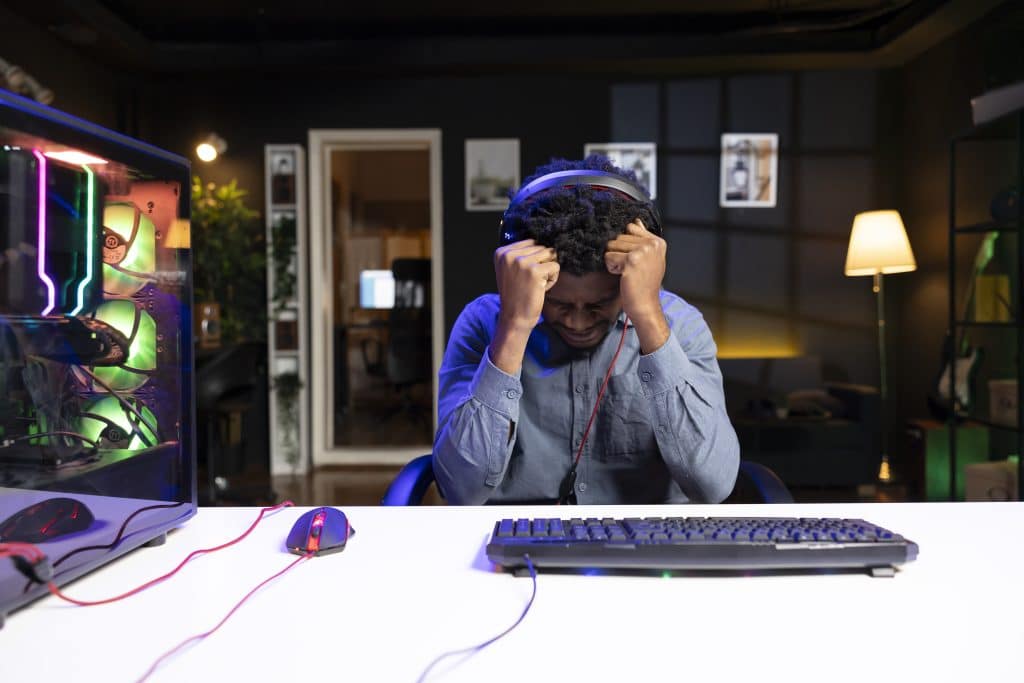
Table of Contents
Can Gaming Really Help With Stress and Anxiety?
Yes — and there’s a simple reason why. Focused gameplay pulls your attention into the present moment. Instead of replaying an awkward conversation or worrying about tomorrow, your brain locks onto a puzzle, a story, or a rhythm. This is sometimes called a “flow state,” and it works a lot like meditation.
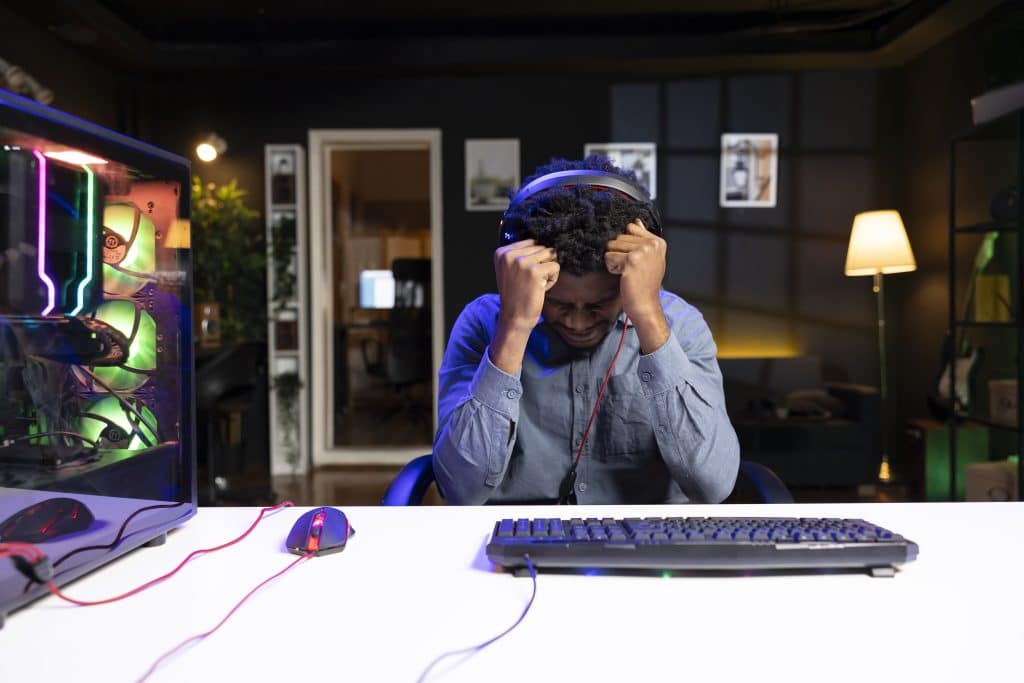
Gaming for stress relief also gives you a small, safe sense of control. Real life often feels unpredictable. A game has clear rules, clear goals, and a fair outcome. That predictability is genuinely calming for an anxious mind.
Gaming for stress relief also gives you a small, safe sense of control. Real life often feels unpredictable. A game has clear rules, clear goals, and a fair outcome. That predictability is genuinely calming for an anxious mind.
Of course, gaming isn’t a replacement for therapy or professional support. Think of it as one more tool in your toolbox, not a cure-all.
The Best Types of Games for Stress Relief
Not every game is relaxing. Fast-paced shooters or ranked competitive matches can spike your heart rate rather than lower it. If your goal is genuine stress relief, these categories work best:
- Cozy simulation games — farming, decorating, or life-sim games with no fail state and a gentle pace
- Puzzle games — short, satisfying challenges that occupy your mind without pressure
- Open-world exploration games — wandering a beautiful digital world with no rush to finish
- Rhythm and music games — repetitive, predictable patterns that are almost hypnotic
- Low-stakes co-op games — playing with a friend, with no real penalty for losing
The common thread: low pressure, low punishment, and a pace you control.
How to Use Gaming for Stress Relief Without Making It Worse
Gaming for stress relief only works if you play with a bit of intention. A few small habits make a big difference:
- Set a soft time limit. Thirty to sixty minutes is often the sweet spot—enough to reset, not enough to feel foggy afterward.
- Choose your game based on your mood, not habit. If you’re already overwhelmed, skip anything competitive or high-stakes.
- Play with a clear stopping point, like finishing a level, so you’re not scrolling endlessly deciding when to quit.
- Notice how you feel afterward. Calmer and lighter is the goal. “Wired” or “irritated” means it’s time to switch games or take a break.
- Pair it with something restorative, like stretching or a short walk, once you’re done.
5 Simple Ways to Start Gaming for Stress Relief Today
- Try a well-known cozy game like a farming or life-simulation title for your next wind-down session
- Keep a “stress relief” playlist of 3–4 games, so you’re not decision-paralyzed when you’re already anxious
- Play in short, 20–30 minute sessions rather than open-ended marathons
- Turn off notifications and competitive modes during your session
- Use gaming as a bridge activity between a stressful task and sleep, instead of scrolling your phone
When Gaming Becomes a Problem
It’s worth being honest here: gaming can tip from being helpful into being avoidant. If you notice you’re using games to completely numb out, skip sleep, or avoid responsibilities that are piling up, that’s a sign to pull back and reach out to a friend, family member, or mental health professional. Healthy stress relief should leave you feeling a bit more settled — not more disconnected from your life.
FAQ: Gaming for Stress Relief
Is gaming actually good for anxiety? For many people, yes — especially low-pressure, slower-paced games. It works by shifting focus away from anxious thoughts and into a structured, controllable activity.
What are the best calming games for stress relief? Cozy sims, puzzle games, and exploration games tend to work best, since they’re low-stakes and don’t spike adrenaline the way competitive games can.
How much gaming is too much for stress relief? As a general guide, 30–60 minutes of intentional, mindful play is a healthy reset. If gaming starts replacing sleep, meals, or responsibilities, it’s worth reassessing.
Can gaming replace therapy for anxiety? No. Gaming for stress relief is a helpful coping tool, not a substitute for professional mental health support if you’re dealing with ongoing anxiety.
The 2026 Gaming Revolution: A Comprehensive Look at the x555 Game Phenomenon

Final Thoughts
Gaming for stress relief works best when it’s intentional, not automatic. The right game, played the right way, can genuinely quiet an anxious mind—no different from journaling, a walk, or a few minutes of deep breathing. Pick one game from this list, give yourself a clear time limit, and notice how you feel afterward. That’s the whole practice.
What’s your go-to game when you need to unwind? Drop it in the comments below.
Social Media Hashtags
#GamingForStressRelief #CozyGames #MentalHealthMatters #GamerLife #AnxietyRelief #SelfCareSunday #StressRelief #GamingCommunity #MindfulGaming #VideoGames #MentalHealthAwareness #CozyGaming #GamerGirl #GamerCommunity #DigitalWellness